Understanding Chemical Hazards
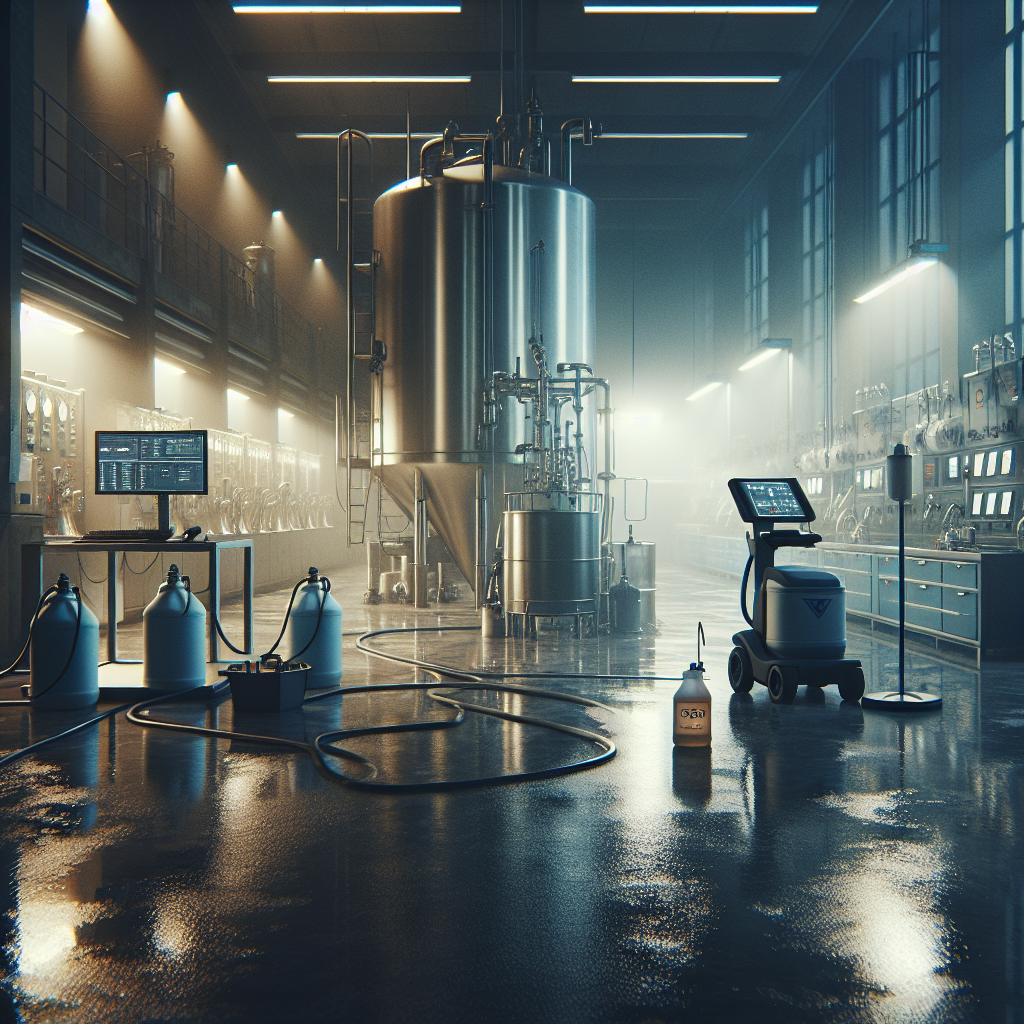
Chemicals used in cleaning products can pose various hazards if not handled properly. These hazards include skin and eye irritation, respiratory issues, and even long-term health effects. It's crucial to identify the potential risks associated with each chemical and take appropriate precautions to minimize exposure.
Safe Handling Practices
Implementing safe handling practices is paramount in reducing the risks associated with cleaning chemicals. This includes proper storage, labeling, and usage of chemicals, as well as providing adequate training to cleaning staff on handling procedures.
- Store chemicals in well-ventilated areas away from heat sources and incompatible materials.
- Ensure all chemical containers are properly labeled with clear instructions for use and safety precautions.
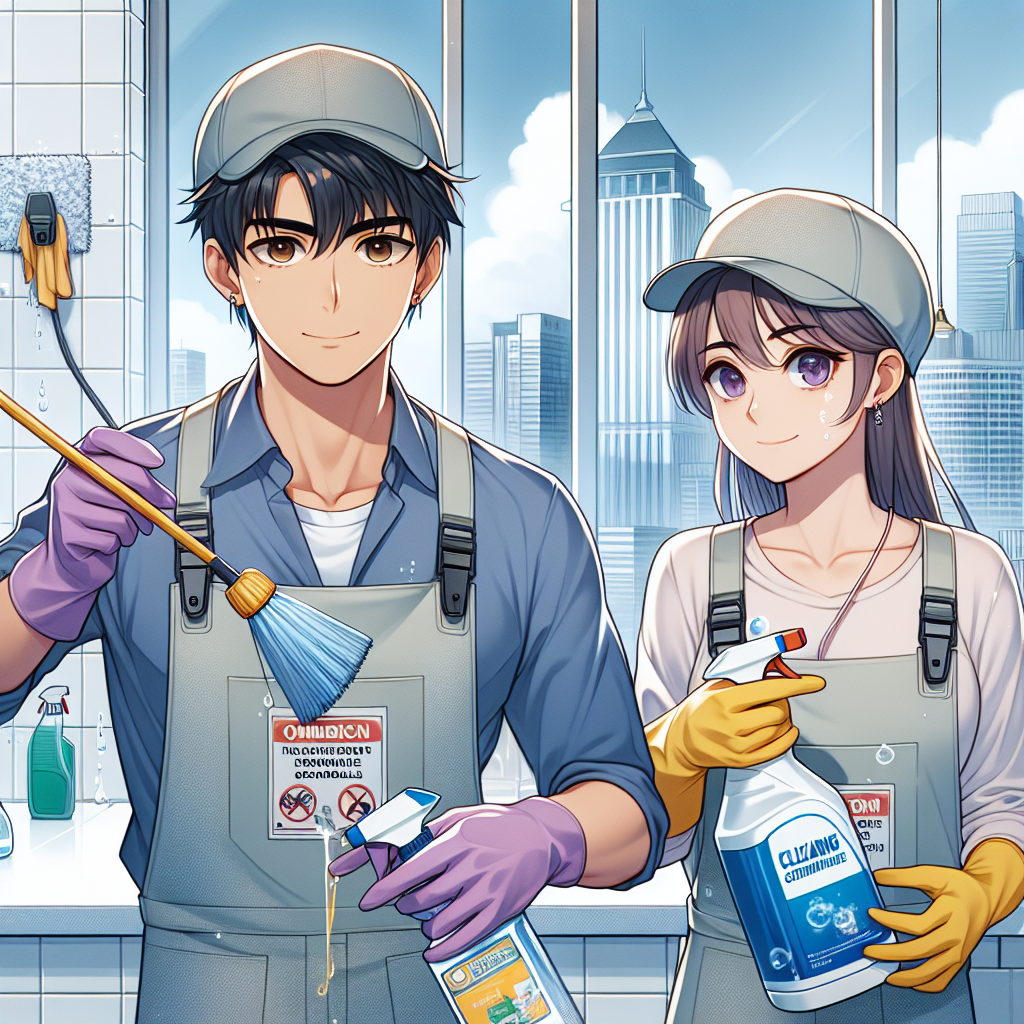
- Provide personal protective equipment (PPE) such as gloves, goggles, and masks to staff handling chemicals.
Chemical Exposure Prevention
Minimizing chemical exposure is key to ensuring the health and safety of cleaning staff. Implementing control measures to reduce exposure levels and promoting good hygiene practices can significantly lower the risks associated with handling cleaning chemicals.
- Use automated dilution systems to minimize direct contact with concentrated chemicals.
- Encourage frequent handwashing and provide access to eye-wash stations in case of accidental exposure.
- Implement proper ventilation systems in cleaning areas to reduce inhalation risks.
Emergency Response Procedures
Despite all precautionary measures, emergencies can still occur when working with cleaning chemicals. Establishing clear emergency response procedures and providing adequate training to staff can help mitigate the impact of chemical accidents and ensure a prompt and effective response.
In the event of a chemical spill or exposure, follow the established emergency procedures, evacuate the area if necessary, and seek medical attention immediately.Continuous Training and Education
Ongoing training and education are vital components of chemical safety in the cleaning industry. Keeping staff informed about the latest safety protocols, best practices, and new developments in cleaning technology can enhance their skills and knowledge, ultimately leading to a safer work environment.
Regulatory Compliance
Adhering to regulatory requirements and industry standards is non-negotiable when it comes to chemical safety in cleaning. Familiarize yourself with relevant regulations, guidelines, and best practices to ensure full compliance and uphold the highest safety standards in your cleaning operations.