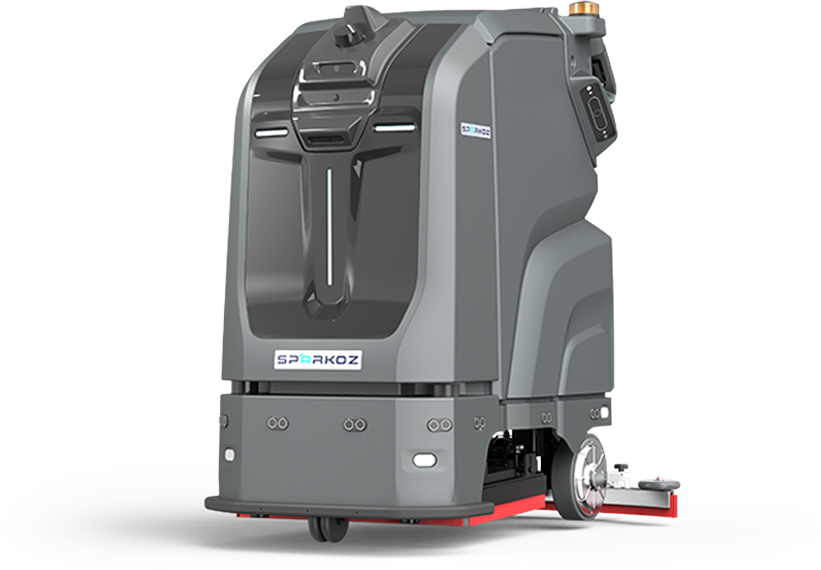
As the cleaning industry continues to evolve, the introduction of advanced robotics is set to significantly reshape the landscape of commercial cleaning in Australia. Imagine a world where autonomous machines meticulously clean office buildings, shopping centres, and public spaces with precision and efficiency. This isn't a scene from a futuristic science fiction movie; it's a reality that's about to hit our shores. With the launch of cutting-edge cleaning robots already making waves in the US and Europe, Australia is on the cusp of experiencing a transformative shift that promises enhanced efficiency and safety in our commercial spaces.
The concept of robotic cleaners isn't new, but the technology has made leaps and bounds since its inception. Early models were more about novelty than practicality. However, recent advancements have seen these machines evolve into highly efficient tools capable of performing complex cleaning tasks that were once the domain of human workers. With the global cleaning market estimated to reach USD 74 billion by 2027, according to a report by Research and Markets, the demand for innovative cleaning solutions has never been greater. This surge is driving investment and research into technologies that can address the industry's needs more effectively.
Globally, the cleaning robotics sector has been gaining momentum, particularly in the US and Europe. Companies like SoftBank Robotics with their Whiz and Brain Corp with their BrainOS-powered machines have set benchmarks in the industry. These robots are equipped with advanced navigation systems, sensors, and AI capabilities that allow them to operate autonomously in various environments. They can detect obstacles, plan efficient cleaning routes, and even learn from their surroundings to optimize performance over time. In Europe, the adoption rate has been particularly high in sectors like healthcare and hospitality, where hygiene standards are non-negotiable. The ability of these robots to maintain consistent, high-quality cleaning standards while reducing human error is a significant selling point.
So, why should the Australian cleaning industry sit up and take notice? For starters, these robots offer a solution to the perennial issue of labour shortages. The cleaning sector, much like other service industries in Australia, has faced challenges in recruiting and retaining staff. Robotic cleaners can alleviate some of this pressure by taking over routine, time-consuming tasks, allowing human workers to focus on more specialised duties that require a personal touch. Moreover, the introduction of such technology aligns with Australia’s growing emphasis on workplace safety and environmental sustainability. Robotics can reduce the need for harsh chemicals, cut down water usage, and minimise repetitive strain injuries among workers.
The implications for Australian businesses are substantial. For cleaning companies, integrating robotics into their operations can lead to significant cost savings in the long run. While the initial investment may be steep, the return on investment is realised through reduced labour costs and increased operational efficiency. Facility managers and building service contractors will appreciate the consistent cleaning quality that robots provide, which is crucial for maintaining high standards in commercial buildings. Furthermore, as Australian regulations around workplace safety become increasingly stringent, the use of autonomous cleaning robots can help businesses comply with these standards with ease.
With over 45 years of experience in the cleaning industry, I have witnessed numerous technological shifts. From the introduction of high-efficiency particulate air (HEPA) filters to the proliferation of eco-friendly cleaning products, each innovation has brought its own set of challenges and opportunities. However, the advent of cleaning robotics is perhaps the most exciting development I've seen. These machines not only promise to revolutionise the way we approach cleaning but also have the potential to redefine job roles within the industry. While there is understandable concern about job displacement, it's important to note that robotics will likely create new opportunities, particularly for those willing to upskill and adapt.
For Australian cleaning businesses, the key will be to approach this technological shift with an open mind. This means investing in training and education to ensure their workforce is equipped to work alongside these new tools. It also means staying informed about the latest advancements and understanding how they can be tailored to meet specific business needs. As these robots become more prevalent, early adopters are likely to gain a competitive advantage, not just in terms of operational efficiency but also in attracting clients who prioritise innovation and sustainability.
In conclusion, the introduction of advanced cleaning robotics into the Australian market is more than just a technological upgrade; it's a paradigm shift. For business owners, facility managers, and cleaning suppliers, this represents an opportunity to rethink traditional cleaning methods and embrace a future where efficiency, safety, and sustainability are paramount. As we stand on the brink of this exciting era, it's clear that those who adapt to these changes will not only survive but thrive in the ever-evolving landscape of the cleaning industry. It's time to look forward, prepare, and welcome the robots that will undoubtedly become a staple in our cleaning arsenal.

Rating
No ratings yet
Comments (0)
No comments yet. Be the first to share your thoughts!
Sign in or create an account to leave a comment and rate this content.